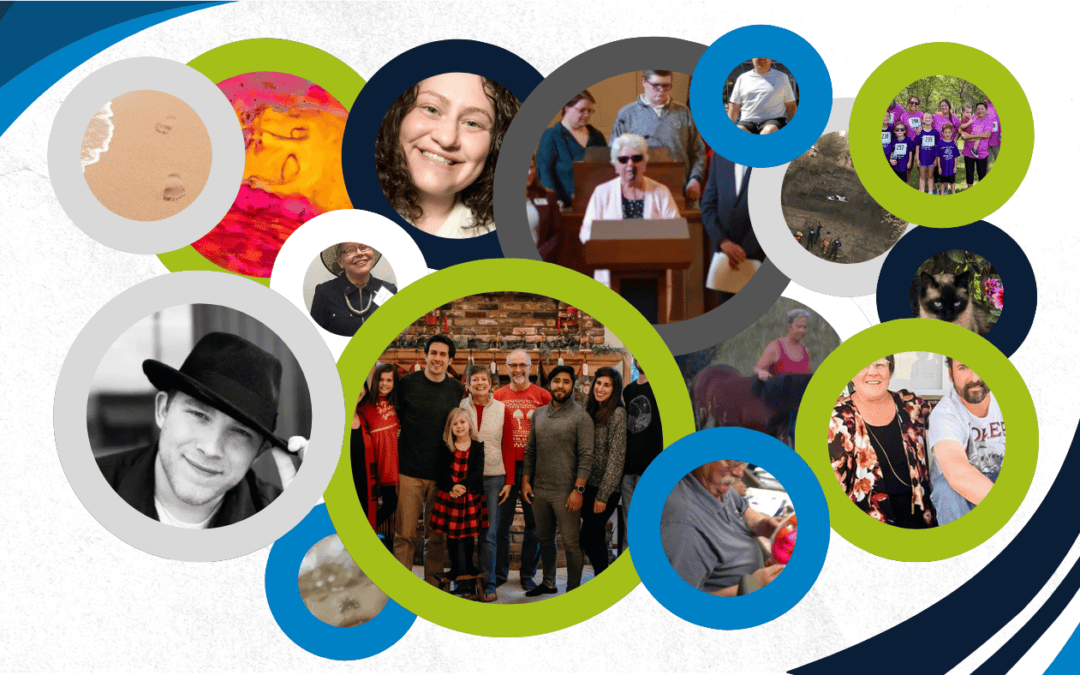
In the beginning, after a brain injury, people often show up.
There are cards, casseroles, text messages, and “Let me know if you need anything!” offers.
But then life keeps moving.
The appointments get farther apart. The phone rings less. People assume you must be “better by now.” Friends may not understand why you still get tired, overwhelmed, forgetful, emotional, or need to leave early. Family members may try their best, but they are living it, too.
And for many survivors and caregivers, that is when the hardest part begins.
Not the hospital. Not the paperwork. Not even the brain injury itself.
The loneliness. The sitting in your car in the grocery store parking lot because you are too tired to go in. The feeling that everyone else kept moving while you are still trying to figure out what happened.
Brain injury changes more than a person’s health. It can change friendships, routines, jobs, family roles, confidence, and identity. Things that used to feel easy may now take more effort.
You may not feel like yourself. Or maybe you are still yourself, just in a way that other people do not fully understand. You may find yourself thinking:
- “Why am I still struggling?”
- “Why doesn’t anyone get it?”
- “Why do I feel so alone in this?”
If you have ever felt that way, here is the most important thing we want you to know:
You are not the only one.
After a brain injury, it is common to feel isolated. Survivors often tell us that people stopped checking in once they looked “fine.” Caregivers tell us they feel invisible because everyone asks how their loved one is doing, but no one asks how they are doing.
And then there are the comments. Usually well-meaning:
- “You look great!”
- “At least you’re okay now.”
- “We all forget things sometimes.”
- “You just need to stay positive.”
Almost always the kind of comments that make you smile politely while thinking, “Well, that was not helpful at all.”
For someone living with the lasting effects of brain injury, those words can feel like a reminder that other people do not see what is really going on.
The truth is, many effects of brain injury are invisible. Fatigue. Memory problems. Headaches. Trouble focusing. Feeling overwhelmed in loud places. Changes in mood. Difficulty finding the right words. Worry. Frustration. Grief.
You cannot put those on an X-ray. And you definitely cannot explain all of that in the cereal aisle at the grocery store.
That is where peer mentorship can make such a difference.
A peer mentor is someone who has been there.
Not in exactly the same way, because every brain injury is different. But close enough to understand the feeling of having your world change overnight. Close enough to understand why a “simple” phone call can take all of your energy for the day. Close enough to know that celebrating a shower, a trip to the store, or remembering your own password is not silly—it is a victory.
Peer mentors are not therapists, doctors, or case managers. They are something different, and sometimes even more powerful.
They are the person who says:
- “Me too.”
- “I have felt that way.”
- “You are not crazy.”
- “You are not lazy.”
- “You are not failing.”
And maybe most importantly: “There is still hope.”
Sometimes connection looks like a weekly phone call with someone who understands why you canceled plans again.
Sometimes it looks like swapping tips for dealing with memory problems, fatigue, or the million sticky notes now decorating your kitchen.
Sometimes it is laughing together about the weird things brain injury has brought into your life because, honestly, if you do not laugh once in a while, you might throw your planner across the room. (And then forget where you threw it.)
Sometimes it is simply hearing another person say, “I get it.”
For caregivers, connection can be just as powerful. Talking with another caregiver who understands the exhaustion, guilt, worry, and constant juggling can feel like finally setting down a heavy backpack you did not realize you had been carrying.
You do not have to explain everything. You do not have to pretend you are fine. You do not have to do this alone.
At the Brain Injury Association of Nebraska, our Peer Mentorship Program connects survivors and caregivers with trained mentors who understand the journey because they have lived it, too.
There is no pressure. No perfect thing to say. No need to have it all figured out.
Just real people who understand. Real conversations. Real support when you need it most.
The Brain Injury Association of Nebraska not only offers information and referral, but case management to find the resources and make positive changes to live a more fulfilling future with better coping strategies as well as memory aids on board. If you or someone you know has lasting effects from a brain injury, please contact us and allow us to offer our services, to find a new normal on this journey where ‘once you’ve seen a brain injury, you’ve seen one brain injury.






0 Comments