Peer Mentorship Program
Stronger Together
Peer Mentorship Program
Real Connection. Real Support.
The Brain Injury Association of Nebraska (BIA-NE) Peer Mentorship Program brings together people who understand the brain injury journey—because they have lived it themselves.
Whether you are living with a brain injury or caring for someone who is, you do not have to figure it out alone.
Our program offers connection, encouragement, and support through shared experience. Some people join because they want someone to talk to. Others join because they want to give back. Both matter.
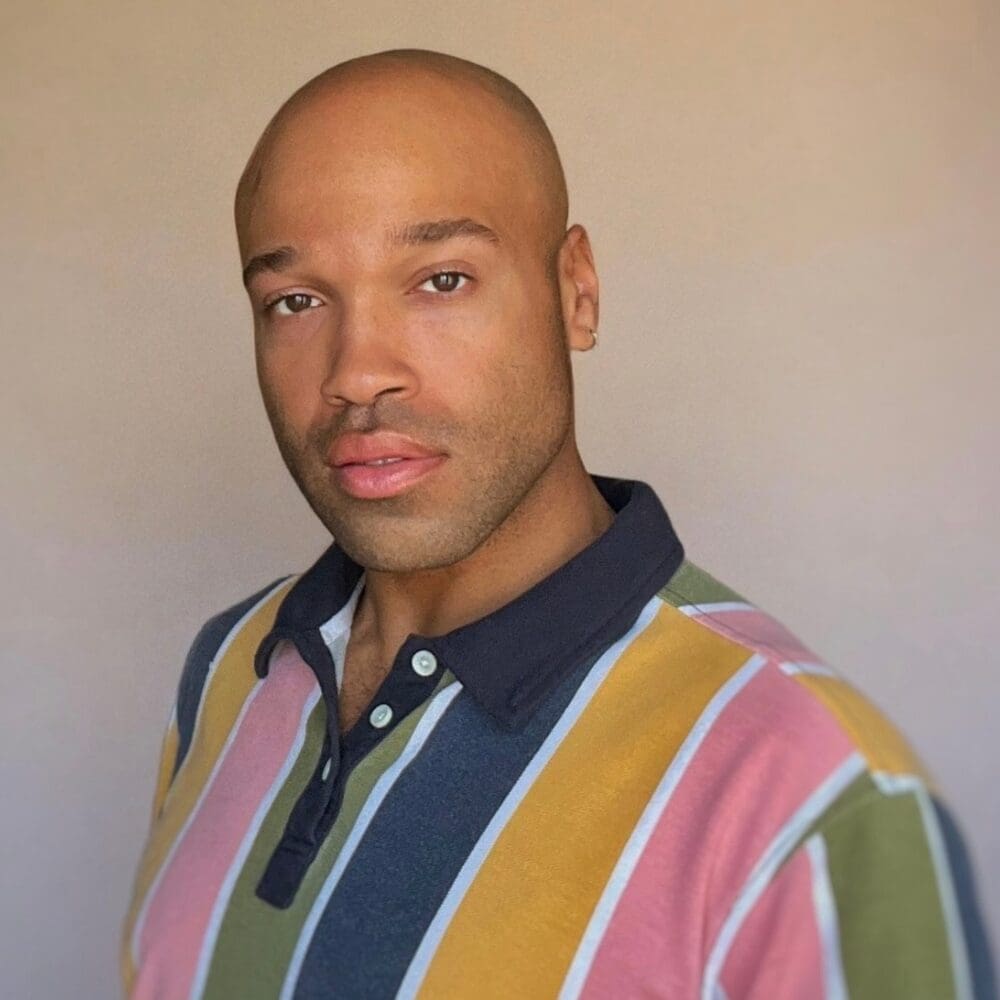
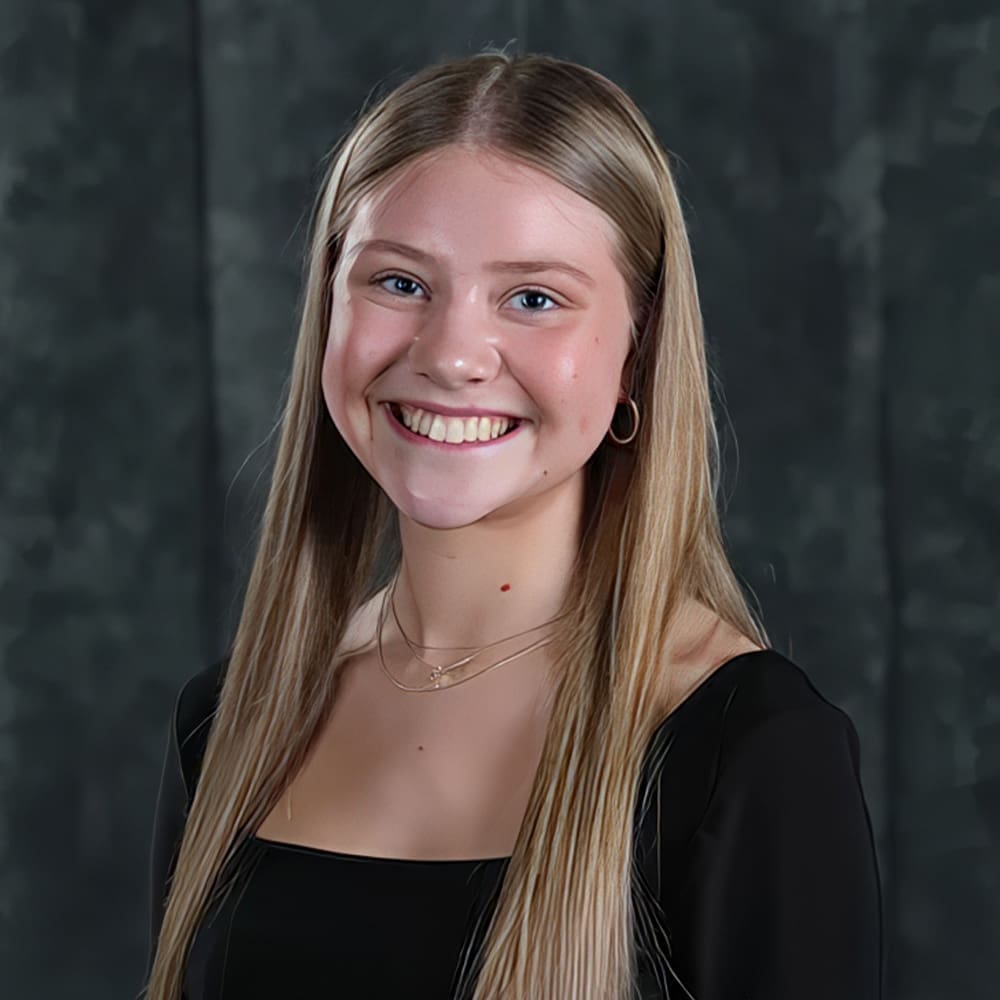
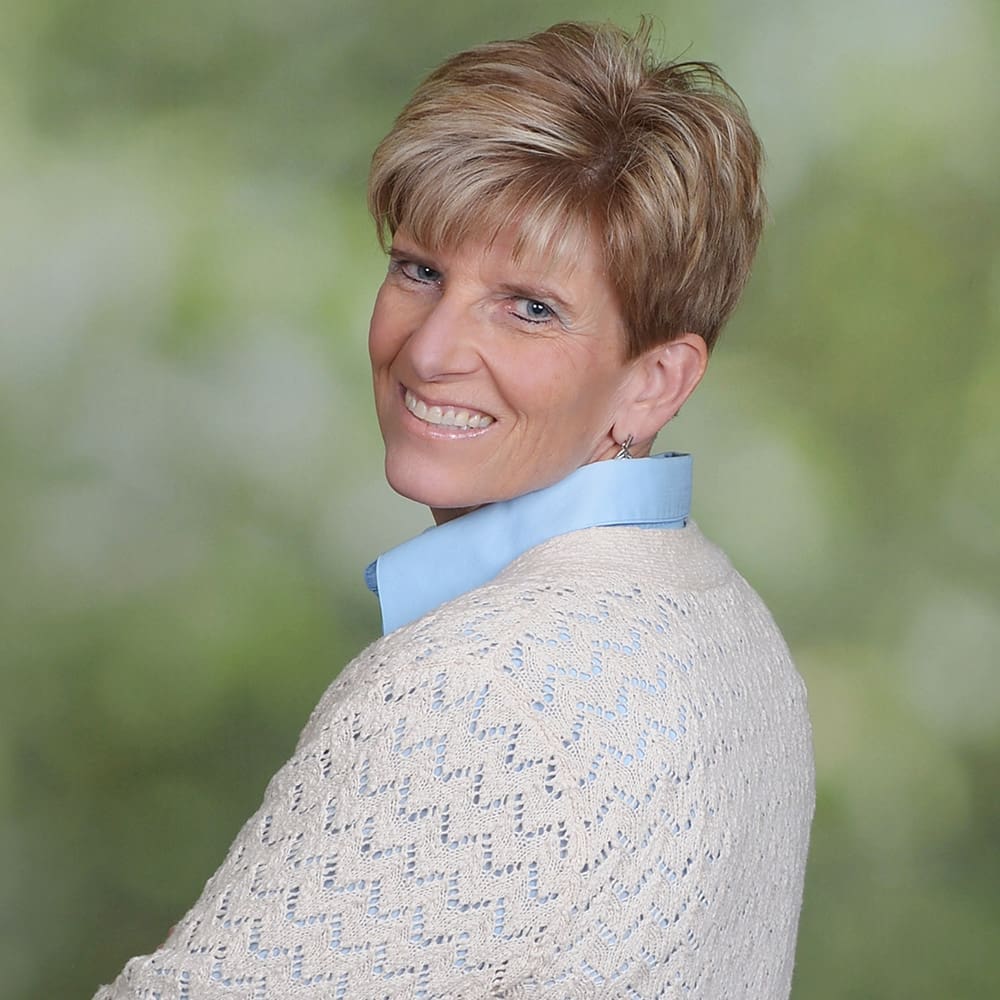
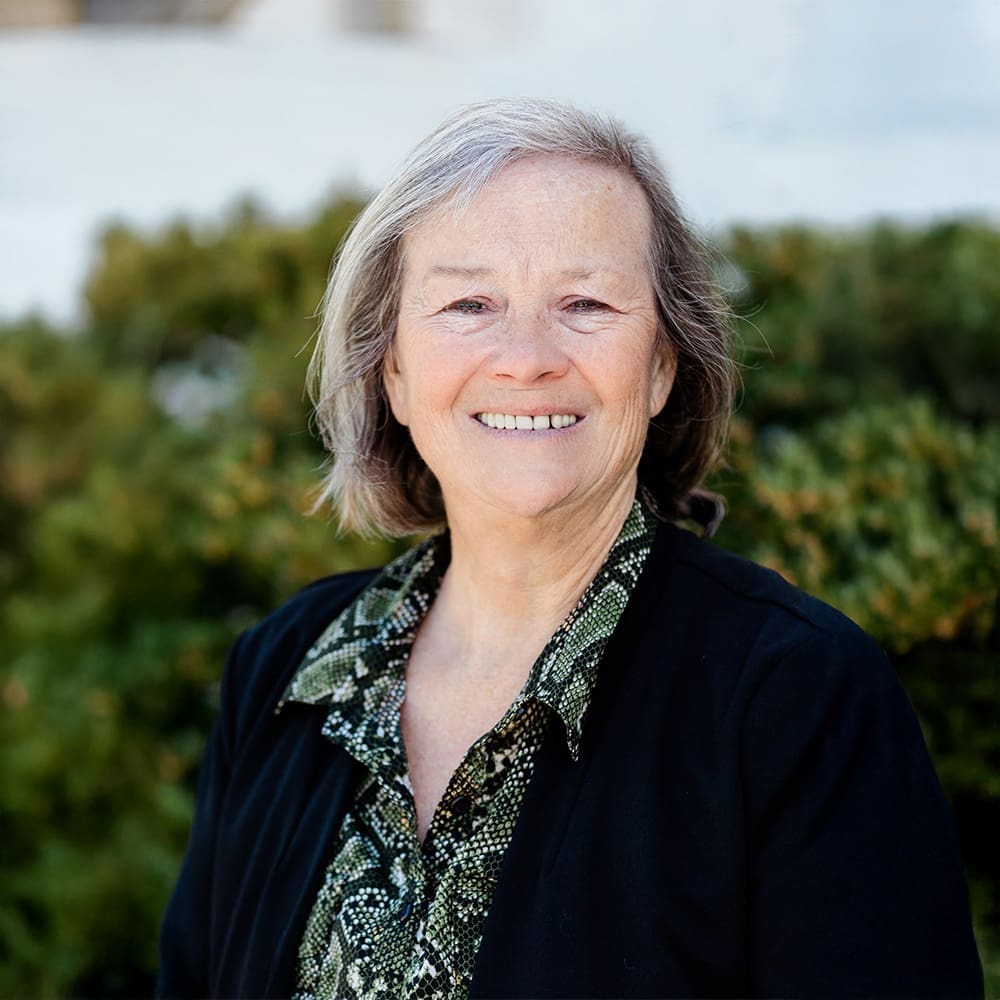
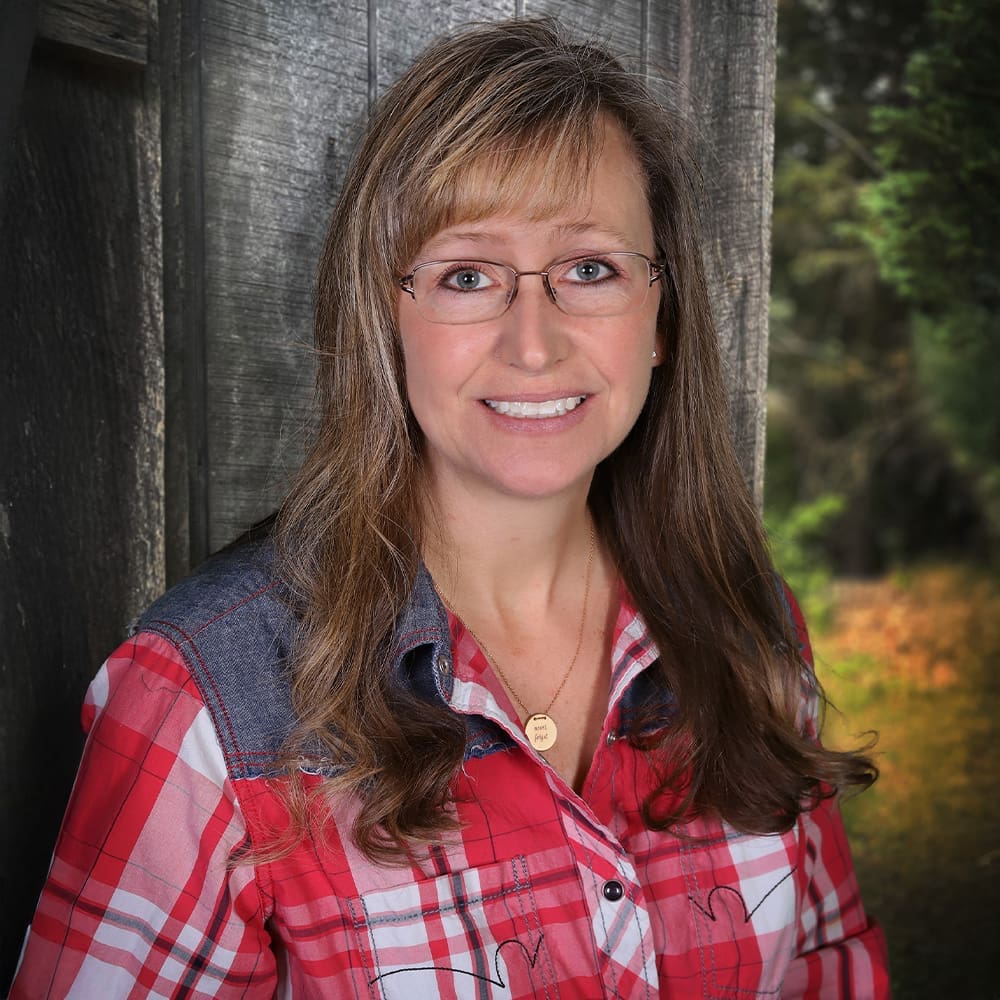
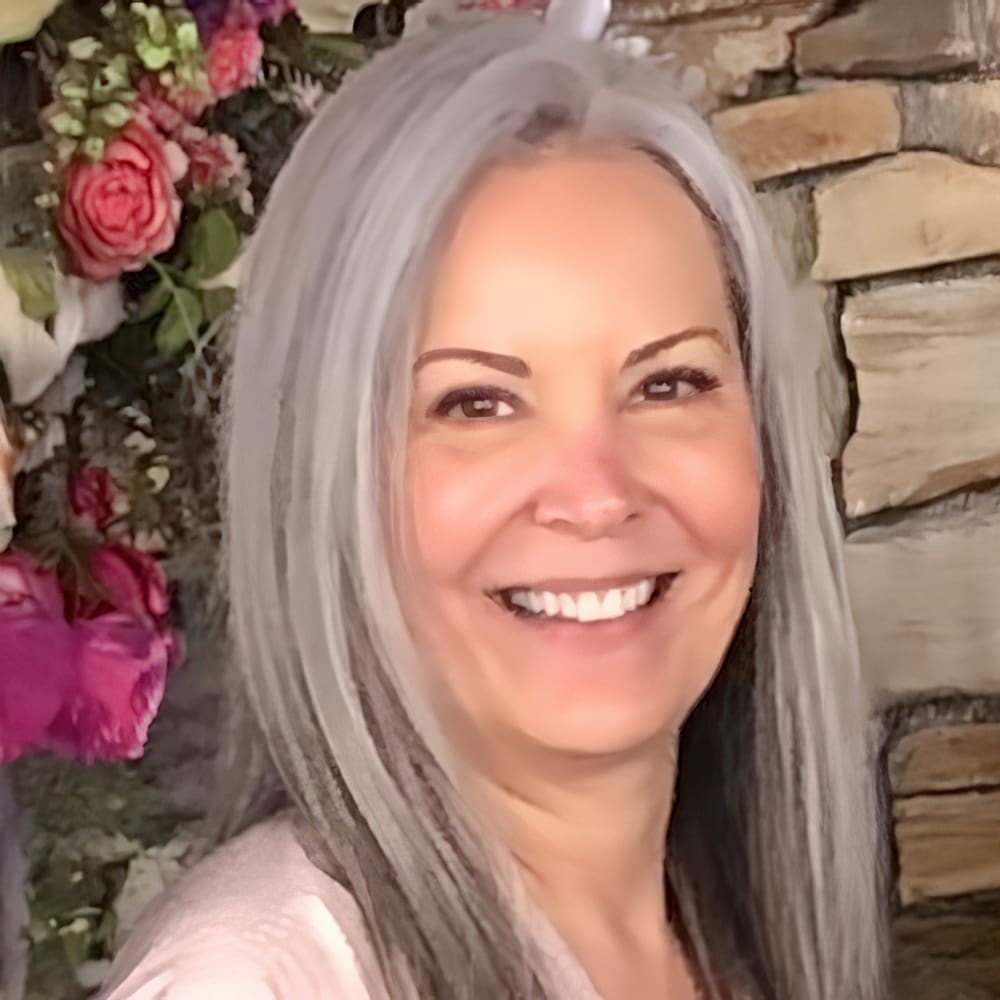
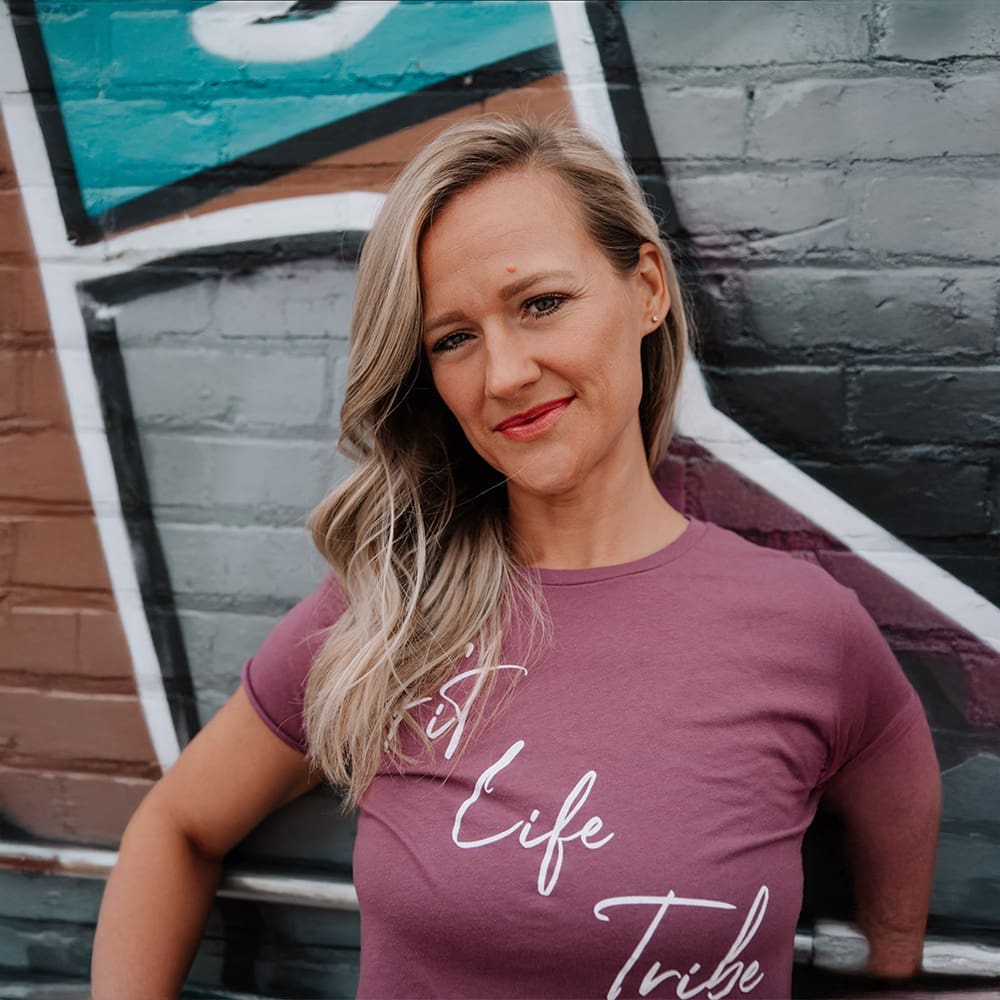
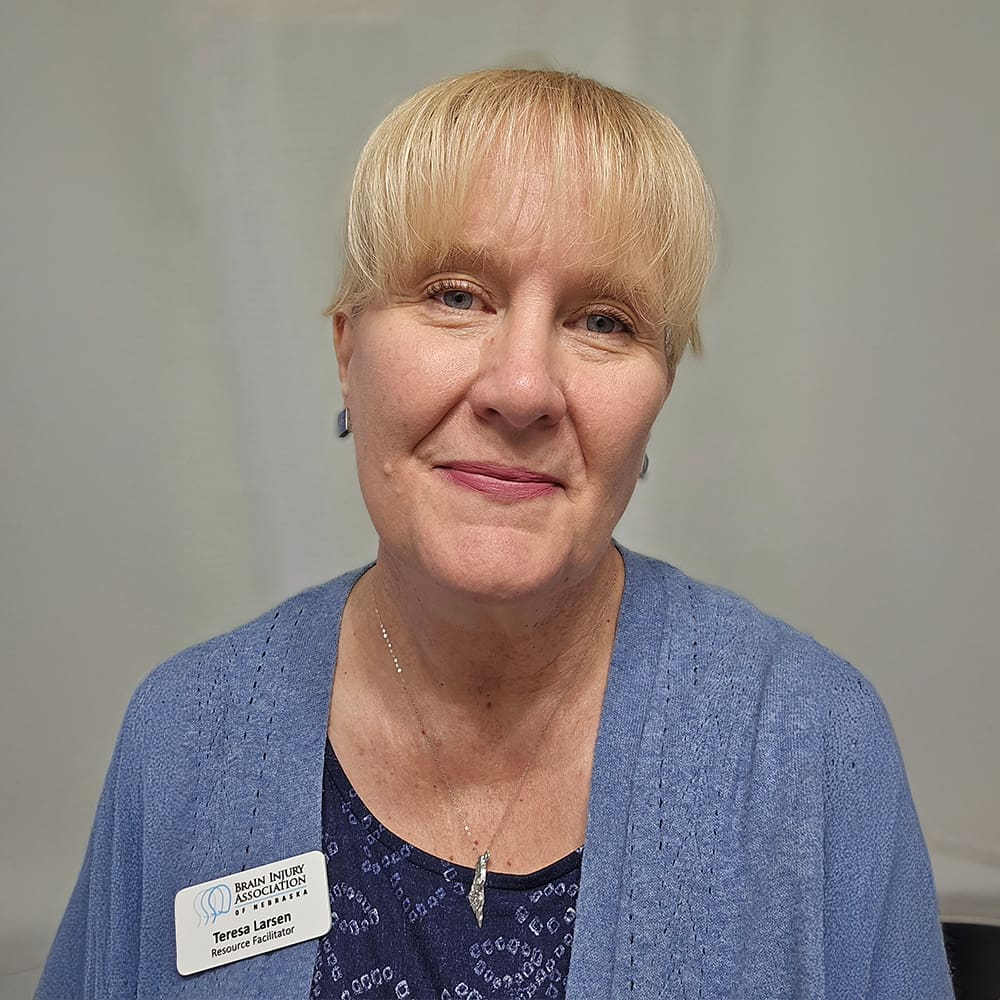
We offer four different peer mentorship tracks so that people can be matched with someone who understands their unique experience.
“Many people with brain injuries don’t have anyone in their lives who truly understands. The person I was connected with through the Peer Mentorship program at the Brain Injury Association of NE provided me with hope, motivation, and a sense of companionship. She helped me recognize I could improve.”
Getting Started Is Easy
- Decide If The Peer Mentorship Program Is Right For You
-
- Reflect on whether you are ready to share your lived experience and support another person with a brain injury.
-
- Complete The Interest Form
-
- Fill out the interest form and tell us a little about yourself.
-
- Meet With Our Program Coordinator
-
- We’ll schedule a brief conversation and orientation to answer questions and explain the program.
-
- Complete Required Forms
-
- Sign program paperwork and complete a background check.
-
- Get Matched
-
- We will carefully match you with someone based on shared interests, experiences, and preferences.
-
- Begin Your Journey
-
- Connect with your mentor/mentee and receive ongoing support from BIA-NE staff through the match.
-
- Participate In Periodic Check-Ins
-
- We’ll check in along the way to provide support, answer questions, and ensure the match is working well.
-
- Celebrate Your Journey
-
- Most mentor/mentee relationships last several months to a year. When the match ends, we’ll help ensure a positive and respectful transition.
-
Choose The Path That Fits You
What The Program Offers
-
A caring person who understands life after brain injury
- Mentors who are trained in building supportive peer relationships
- A safe place to share feelings and challenges
- Support, encouragement, and connection
- Someone who can offer ideas from their own lived experience
- Hope that life can still have meaning and purpose
This is not therapy or crisis support. It is a person-to-person connection.
Program Expectations
Both mentors and mentees agree to:
- Show respect
- Be on time for meetings
- Give 24-hour notice when possible if a meeting needs to change
- Keep personal information private
- Ask BIA-NE staff for help when needed
- Follow program rules and safety guidelines
How Long Does A Match Last?
Peer matches may last just a few months or extend up to a year, depending on individual needs.
A match closes when:
- Someone feels ready to move on
- The match has run its course
After a match closes, staying in touch is allowed only if both people agree (and a guardian, if needed).
Why It Matters
Brain injury can feel lonely. Peer mentorship helps people feel: Seen, Understood, Supported, Stronger, and Hopeful.
No one should walk this journey alone—and with this program, they don’t have to.
Peer Mentorship Blog
Learning from those who’ve been there—and are here to help.

Loving Someone With A Brain Injury Changes You, Too
When someone you love has a brain injury, people naturally focus on them. They ask how they are doing. They ask about appointments, progress, symptoms, therapies, medications, and whether things are “getting better.” And of course they do. You care about those things,...

Pouring From An Empty Cup
You know the coffee cup. You made it hours ago. You reheated it once. Maybe twice. You carried it from room to room all morning. Right now, it is sitting on the counter, half cold, next to a sticky note, three pill bottles, a school paper, and the charger you have...

When Your Peer Mentor “Gets It”
“I’m tired of explaining myself.” Not just once in a while. All the time. Explaining why you are tired or why you forgot. Explaining why you need to leave early, cancel plans, write everything down, or sit in the car for five minutes before you go inside because your...
This project was supported, in part by grant number 90TBSG0073, from the U.S. Administration for Community Living, Department of Health and Human Services, Washington, D.C. 20201. Grantees undertaking projects under government sponsorship are encouraged to express freely their findings and conclusions. Points of view or opinions do not, therefore, necessarily represent official Administration for Community Living policy.
Have A Question?
Contact MenDi McCuiston
Peer Mentoring Program Coordinator, Brain Injury Association of Nebraska
Our Affiliations
Brain Injury Association of Nebraska is fortunate to work alongside likeminded associations – all driven to help educate the communities we live in.