What’s your connection to brain injury?
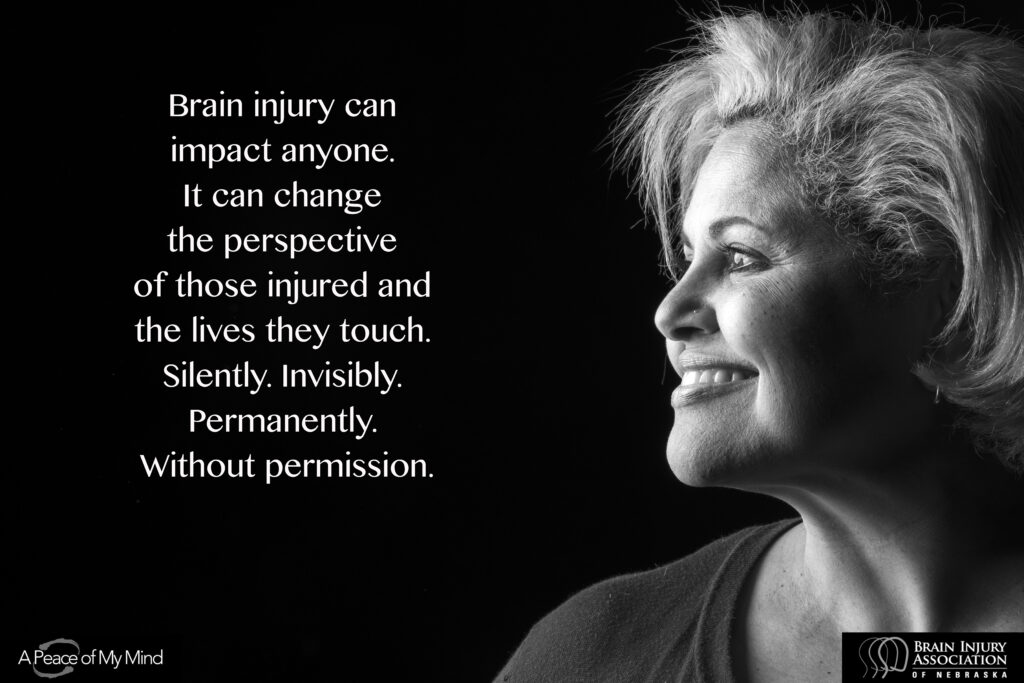
On December 31, 2012, I had a first date with one of my greatest life lessons. What started as an attempt to restart life after divorce quickly became a controlling entanglement of escalating abuse. Initially, backhanded putdowns about my “friendly” demeanor, clothing, budgeting, and past relationships. Constant surveillance and monitoring of my time, allegations of inappropriate interactions with coworkers, clients, and even family members. Scrolling through my phone and social media, unfriending and deleting contacts, sending offensive messages to my male friends and their partners.
Then, he experienced the traumatic loss of his 15-year-old son to suicide – – the moment I heard the words leave the police officers mouth, I knew things were going to get worse.
Name calling, psychological bullying and gaslighting became the norm, and the abuse became physical. Drinks thrown in my face, then a blow to the face, choking me out, picking me up by my throat and slamming my head against a brick wall. With help, the relationship ended – he couldn’t believe I would involve the police or others in our “personal family issues”.
Throughout the course of these events, I never associated the cognitive changes that I recognized in myself with brain injury. In fact, like many people, I was oblivious to the connection. It wasn’t until I began working for BIA-NE in 2015 that I learned about the intersection between intimate partner abuse and brain injury. Once my knowledge grew, so did my determination to secure support for BIA-NE to expand education and screening for this population. I have been an advocate ever since.
What is something people might not see or understand about your experience with brain injury?
First, I feel blessed to not have significant long-term complications.
Second, seldom do independent, middle class, professional women with postgraduate degrees come to mind when people think about domestic violence survivors.
Subsequently, fear of victim shaming and the stigma associated with how I acquired my brain injury often keeps me from sharing my experience.
What are you proud of or looking forward to?
I am proud to have been a part of helping BIA-NE secure support to educate and screen other survivors.
How has BIA-NE been part of your journey?
BIA-NE helped me understand what I experienced. The organization has been a catalyst for me being able to help others. I have been an employee and a board member for BIA-NE, and I will always be an advocate and ambassador.
If someone else affected by brain injury were reading your story, what would you want them to know?
Brain injury can (and does) happen to anyone. Learn how, reduce your risks, and know that BIA-NE is here to help.


0 Comments