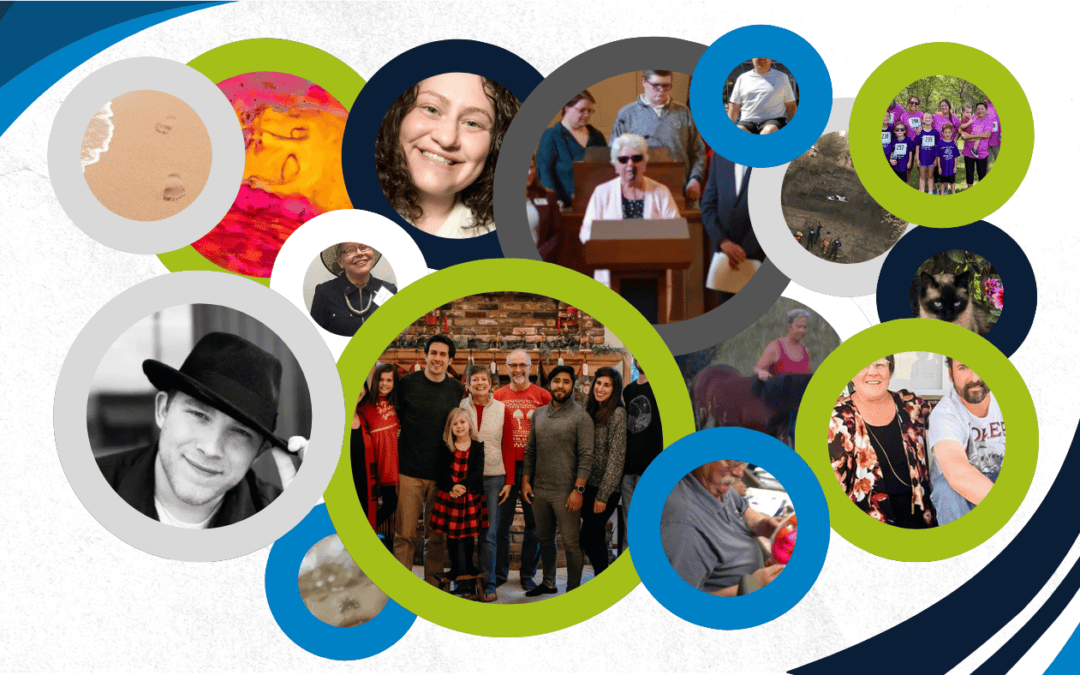
When people hear the words “peer mentor,” they sometimes get a slightly worried look on their face.
You can almost see the questions forming:
“Wait… is this like therapy?”
“Am I going to have to talk about my feelings?”
“Is there a workbook?”
“Will there be homework?”
We are happy to report: probably not.
Unless, of course, you really love homework. In that case, your mentor might happily help you make a list, set a goal, or finally tackle that giant pile of paperwork that has been giving you the side-eye from the kitchen counter for six months.
But in general? Peer mentorship is not about fixing you, grading you, or turning you into a “better version” of yourself.
Because you are not broken.
A peer mentor is not a therapist, doctor, crisis worker, case manager, resource facilitator, or life coach. They are not going to diagnose you, tell you what medication to take, make you do breathing exercises while staring into the middle distance, or hand you a color-coded binder labeled “New You: Volume 1.”
They are not there to solve all your problems.
They are there to walk beside you while you figure things out.
A peer mentor is someone who has lived through brain injury themselves—or, for caregiver mentors, someone who has cared for a loved one with a brain injury. They know what it feels like when life changes in ways you never expected.
They know what it is like to walk into a room and forget why you are there. To feel wiped out after one “simple” errand. To get overwhelmed by noise, too many choices, or one more person asking, “But you look fine?”
A peer mentor may not have the exact same story. Brain injury is different for everyone. But they know enough to say, “I get it.”
And sometimes that matters more than having all the answers.
So what does a mentoring relationship actually look like?
Usually, it is much simpler—and much more comfortable—than people expect.
Maybe you talk on the phone once a week. Maybe you text. Maybe you meet for coffee. Maybe you spend half the time talking about life after brain injury and the other half talking about your dog, your favorite TV show, or why you now have seventeen sticky notes in your house and still cannot find your keys.
There is no script. No pressure. No pop quiz at the end.
One week, your mentor might help you think through a hard situation. Another week, they might share a trick that helped them remember appointments or survive a trip to the grocery store without melting down in aisle seven. And sometimes? You might spend the whole conversation laughing about the fact that neither of you can ever find your keys.
Over time, a mentor can help you feel a little less alone, a little more confident, and a little more hopeful – especially on the days when everything feels hard.
What peer mentors cannot do is replace professional help when you need it.
If you are in crisis, need counseling, medical care, legal advice, or help navigating services, your mentor can encourage you to connect with the right supports. But they are not expected to carry that alone.
That is actually one of the things that makes peer mentorship so special.
There is no pressure to “perform” or say the right thing. You do not have to explain every little detail or convince someone that what you are experiencing is real.
You can just be honest.
You can say, “I am tired.”
Or, “I miss who I used to be.”
Or, “I put my phone in the freezer again.”
And instead of getting a confused look, you might hear: “Oh wow. I once put mine in the pantry next to the cereal.”
That shared experience matters.
Because brain injury can be lonely. It can make you feel like you are the only person struggling with things that other people seem to do without thinking.
A peer mentor reminds you that you are not the only one. Not because they have some magic answer, but because they have been there, too.
And no, they are not going to make you do homework.
Unless you ask for it.
The Brain Injury Association of Nebraska not only offers information and referral, but case management to find the resources and make positive changes to live a more fulfilling future with better coping strategies as well as memory aids on board. If you or someone you know has lasting effects from a brain injury, please contact us and allow us to offer our services, to find a new normal on this journey where ‘once you’ve seen a brain injury, you’ve seen one brain injury.











0 Comments