If you or someone you love is living with – or even suspects they may have experienced – a brain injury in Nebraska, figuring out what comes next can feel like its own challenge.
Not everyone with a brain injury comes to BIA-NE after a hospital stay, rehabilitation, or formal diagnosis. Sometimes an injury happened years ago. Sometimes symptoms were never connected to a brain injury. And sometimes someone simply knows that something hasn’t been quite right and wants help figuring out whether brain injury could be part of the picture.
Where do you find reliable information? Are there brain injury support groups? Who helps families navigate services or find community resources? And where do you start if you’re not even sure whether brain injury is involved?
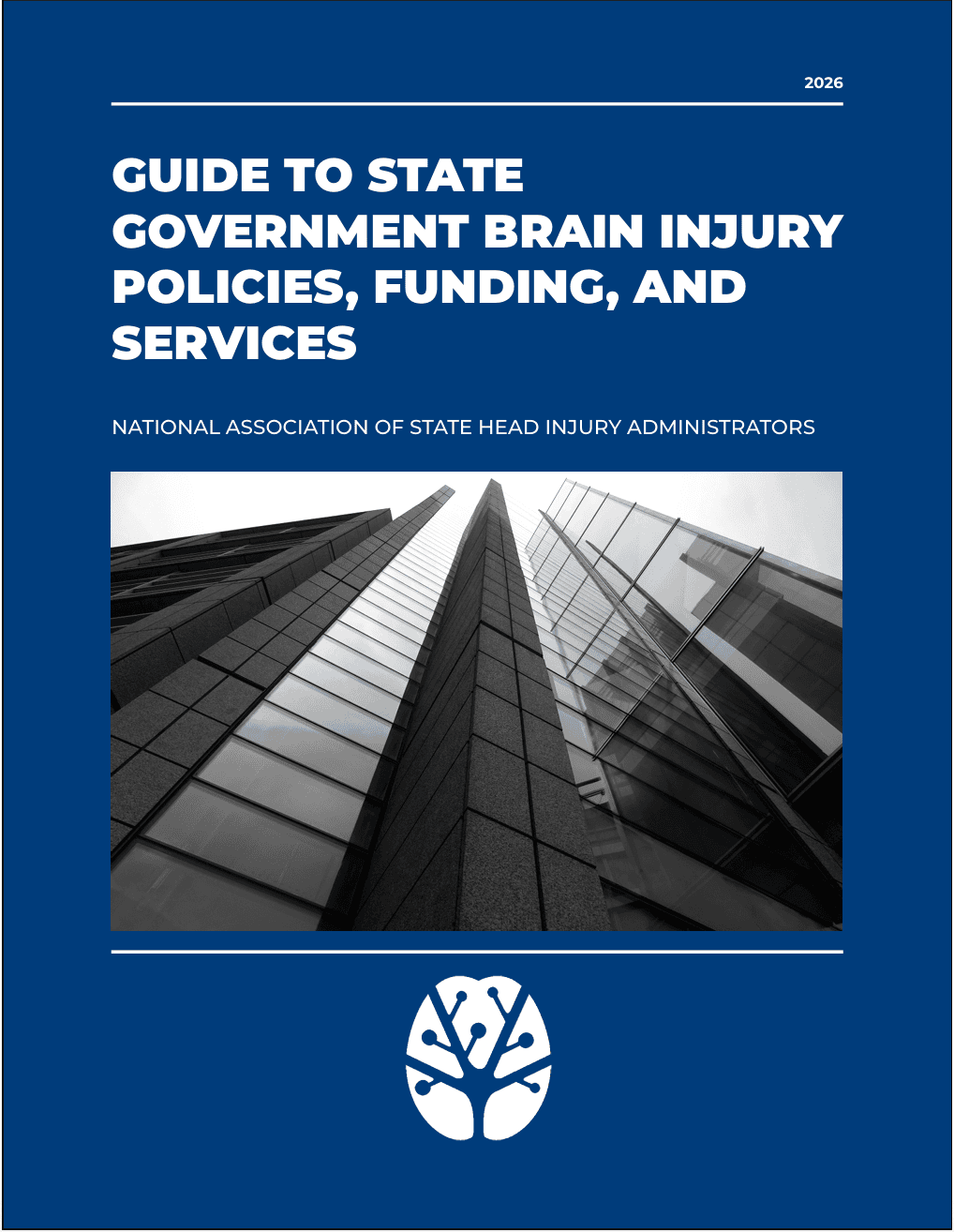
The National Association of State Head Injury Administrators (NASHIA) recently released its 2026 Guide To State Government Brain Injury Policies, Funding, And Services, a comprehensive look at how states organize, fund, and deliver brain injury services.
As proud NASHIA members, the Brain Injury Association of Nebraska (BIA-NE) applauds the NASHIA team for creating this valuable resource for professionals, policymakers, advocates, survivors, and families.
Brain Injury In Nebraska Is More Common Than Many People Realize
According to the NASHIA report, nearly 15,000 Nebraskans were seen for brain injury in 2022 alone. From 2017 through 2022, nearly 76,000 brain injury cases were seen across the state.
Those numbers help explain why brain injury awareness matters far beyond hospitals and rehabilitation facilities.
Brain injury can affect memory, communication, emotional regulation, attention, processing speed, impulse control, balance, employment, relationships, and day-to-day independence. For many people, support may be needed months—or even years—after an injury.
Brain injury also belongs in conversations throughout our communities: behavioral health, schools, employment services, domestic violence programs, the justice system, aging services, housing, disability services, substance use treatment, and more.
Learn more about brain injury in Nebraska and types and causes of brain injury.
How Nebraska’s Brain Injury System Connects People With Help
No single agency or organization is responsible for everything a Nebraskan may need after brain injury. Nebraska’s system includes state agencies, vocational rehabilitation, healthcare providers, community organizations, advocates, survivors, families, and other partners.
Nebraska VR within the Nebraska Department of Education serves as the lead state agency for many brain injury activities, while the Nebraska Brain Injury Advisory Council supports statewide planning, collaboration, and advocacy. NASHIA also identifies BIA-NE as Nebraska’s brain injury advocacy organization.
One key service highlighted in the guide is Brain Injury Resource Facilitation, which helps people with brain injuries and their families identify needs, find resources, make connections, and navigate systems.
Through Nebraska’s Brain Injury Assistance Act, organizations apply annually for state funding to strengthen brain injury services and supports. BIA-NE has been awarded funding each year of the program to date – typically $450,000 to $475,000 annually – to support statewide Resource Facilitation, public awareness, professional education, support groups, data collection, and other brain injury initiatives.
You don’t have to understand every program, provider, or eligibility rule before asking for help.
That is what Resource Facilitation is for.
BIA-NE’s Resource Facilitation services are available statewide at no cost to individuals and families.
Support For Families Of Brain Injury Patients Goes Beyond Medical Care
Families often discover new questions weeks, months, or years after an injury. Memory, fatigue, employment, relationships, benefits, caregiving, transportation, and community services can all become part of life after brain injury.
That’s why support for families of brain injury patients has to extend beyond medical treatment.
BIA-NE connects Nebraskans with brain injury support groups and offers a Caregiver Peer Mentorship Program for caregivers who want support from someone who has walked a similar road.
Sometimes the first challenge is simply recognizing that brain injury may be part of the picture. Nebraska residents can access the Online Brain Injury Screening & Support System (OBISSS) to help identify possible or probable brain injury and challenges that may be associated with it.
Screening isn’t a diagnosis, but it can help identify when brain injury deserves a closer look—and when additional strategies or support may help.
Brain Injury Awareness Also Means Educating Professionals
Brain injury awareness isn’t only about helping individuals and families recognize brain injury. It also means helping professionals recognize when it could be affecting the person in front of them.
BIA-NE provides brain injury training and community education for professionals, organizations, schools, and community programs, along with online brain injury courses and training resources.
When more professionals understand brain injury, more Nebraskans have the opportunity to be identified, understood, accommodated, and connected with appropriate support.
Building A Stronger Brain Injury Coalition Across Nebraska
No single organization can build a strong statewide brain injury system alone.
Nebraska’s Brain Injury Advisory Council brings together different perspectives to support advocacy, planning, collaboration, and improved services. That work reflects what an effective statewide brain injury coalition should do: identify gaps, coordinate efforts, elevate lived experience, and strengthen connections between systems.
The same philosophy guides BIA-NE’s partnerships across healthcare, behavioral health, education, justice, disability services, domestic violence programs, and other community sectors.
Looking For A Brain Injury Conference In Nebraska?
Education and connection also come together each year at the Nebraska Brain Injury Conference.
The 2027 Nebraska Brain Injury Conference, March 18–19 in Kearney, will bring together professionals, individuals living with brain injury, caregivers, advocates, and community partners for two days of learning, connection, and collaboration.
The Bigger Message For Nebraska
One of the strongest takeaways from NASHIA’s report is that a brain injury system isn’t one program, one organization, or one funding stream.
It’s a network.
Nebraska has state leadership, dedicated funding, federal partnerships, vocational rehabilitation services, an advisory council, community organizations, professionals, advocates, survivors, families, and statewide Resource Facilitation working together.
There is still work to do. Brain injuries still go unidentified. Families still don’t always know support exists. And people can still fall between systems.
The more Nebraskans know about brain injury – and the support available after it – the easier it becomes to connect people with help when they need it.
Need Brain Injury Support In Nebraska?
Whether you’re living with a brain injury, suspect you may have experienced one, are supporting a family member, or work with someone who may be affected, BIA-NE can help you determine where to start.
Connect With A Resource Facilitator | Find A Support Group
Use The Brain Injury Screening Tool | Contact BIA-NE
Brain injury can change a life. Finding help shouldn’t require navigating the system alone.
Learn More
This article was inspired by NASHIA’s 2026 Guide To State Government Brain Injury Policies, Funding, And Services. BIA-NE is proud to be a NASHIA member and grateful for NASHIA’s work to strengthen brain injury systems, share promising practices, and help states learn from one another.
The Brain Injury Association of Nebraska not only offers information and referral, but case management to find the resources and make positive changes to live a more fulfilling future with better coping strategies as well as memory aids on board. If you or someone you know has lasting effects from a brain injury, please contact us and allow us to offer our services, to find a new normal on this journey where ‘once you’ve seen a brain injury, you’ve seen one brain injury.




0 Comments