What’s your connection to brain injury?
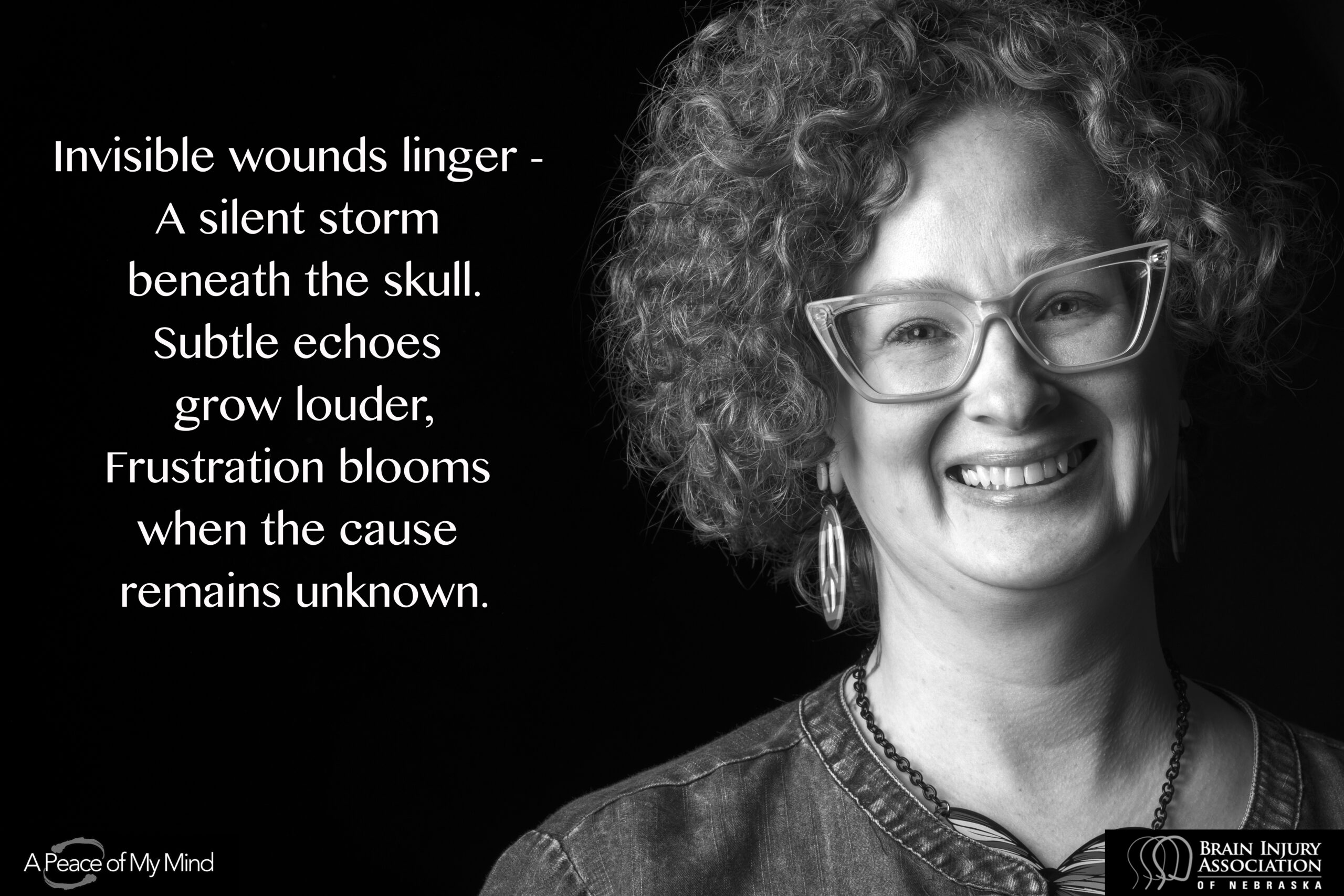
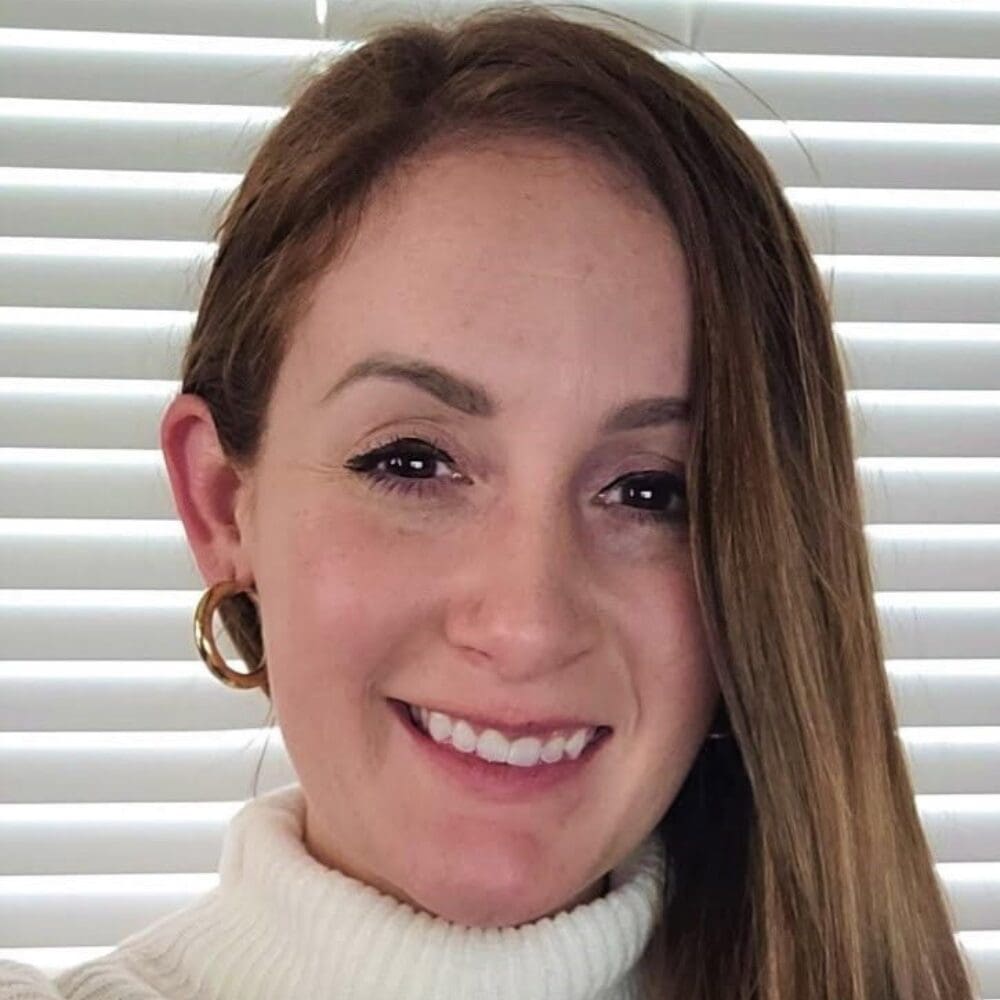
I’m a Vocational Evaluator with Nebraska VR, where I work with individuals with different disabilities, including acquired and traumatic brain injuries. I help individuals identify their strengths, interests, abilities, and challenges as they explore employment opportunities.
Through my work, I’ve learned how differently brain injuries can affect people. Some individuals experience challenges with memory, processing information, concentration, fatigue, or sensory sensitivities, while others may experience difficulties that aren’t immediately apparent.
I also live with invisible disabilities myself, which has influenced how I approach my work. I understand how important it is to listen to individuals, recognize that everyone’s experiences are different, and find accommodations and supports that actually work for them.
What is something people might not see or understand about your experience with brain injury?
Something I wish more people understood is that being able to do something doesn’t necessarily mean it’s easy or that someone can do it consistently.
I’ve worked with individuals who experience challenges that others may never notice. Someone might be able to carry on a conversation, complete a task, or participate in an activity, but what others don’t see is how much effort it may take or how those activities affect them afterward. There are times when someone may appear to be functioning just fine, but they’re managing pain, fatigue, sensory sensitivities, or difficulties processing information that others aren’t aware of.
I think it’s important to recognize that abilities can change from day to day, and sometimes even throughout the same day. Just because someone was able to do something yesterday doesn’t mean they’ll be able to do it today, and that shouldn’t be mistaken for a lack of effort or motivation.
What are you proud of or looking forward to?
In March 2025, I had the opportunity to be a featured speaker at the Brain Injury Association of Nebraska’s conference in Kearney, where I presented on Irlen Syndrome and brain injury.
I wanted participants to be able to interact with the information rather than just listen to a presentation, so I brought materials that allowed them to compare different colored filters over printed text and see how those changes affected their own reading experience.
I really enjoyed connecting with the participants, hearing about their experiences, and answering their questions. What surprised me was how long those connections continued after the conference. For approximately a year afterward, I continued receiving inquiries from attendees, friends and family members of participants, and people from surrounding states who wanted to learn more about Irlen Syndrome.
I’m proud that something I shared during one presentation continued reaching people long after the conference ended. I hope to continue finding opportunities to share information and help people learn about resources and accommodations they may not have known were available.
How has BIA-NE been part of your journey?
BIA-NE gave me an opportunity to share information about Irlen Syndrome with individuals, families, and professionals who may not have been familiar with it before.
Being part of their conference also gave me the chance to connect with people outside of my usual professional network and hear about their experiences. I appreciated being able to share what I’ve learned through my work while also learning from the people I met.
One of the things I appreciate about BIA-NE is that they bring together people who have different experiences with brain injury. Whether someone is living with a brain injury, supporting a family member, or working with individuals professionally, there’s an opportunity to learn from each other and share resources.
For me, the conference was a reminder of how valuable those connections can be and how information shared with one person can continue reaching others.
If someone else affected by brain injury were reading your story, what would you want them to know?
I would want them to know that just because someone else doesn’t understand what they’re experiencing doesn’t mean those challenges aren’t real. You shouldn’t have to constantly explain or justify what you’re going through simply because it’s something other people can’t see.
I would also encourage them to keep asking questions and exploring resources that might be helpful. Sometimes we become so accustomed to adjusting how we do things that we don’t realize there may be accommodations or different approaches worth trying.
Something I’ve learned through my work, and through my own experiences, is how important it is to have people who are willing to listen and understand what you’re experiencing rather than make assumptions about what you should be able to do.
Everyone deserves to be heard, to have choices, and to be part of the decisions that affect their own lives.
I also think it’s incredibly important to connect with others who have similar disabilities, especially when those disabilities aren’t visible. Having a community where people can openly talk about shared experiences and challenges, hear what others have tried, and learn what has or hasn’t worked for them can be so valuable. When you’re feeling like you’re ready to throw in the towel, sometimes hearing from someone who truly understands what you’re going through can give you a little hope and the momentum to take another step forward.


0 Comments