Brain injury can affect nearly every part of a person’s life, from understanding symptoms and finding medical care to maintaining employment, securing housing and managing day-to-day needs.
Through Nebraska’s Brain Injury Assistance Act, the Brain Injury Association of Nebraska (BIA-NE) works to connect people with individualized support while also educating professionals, building community partnerships, supporting research and improving how brain injury is identified and addressed across the state.
Our latest Annual Programming Report looks at that work from July 2025 through June 2026. Here are some of the highlights.
Connecting Nebraskans With Support
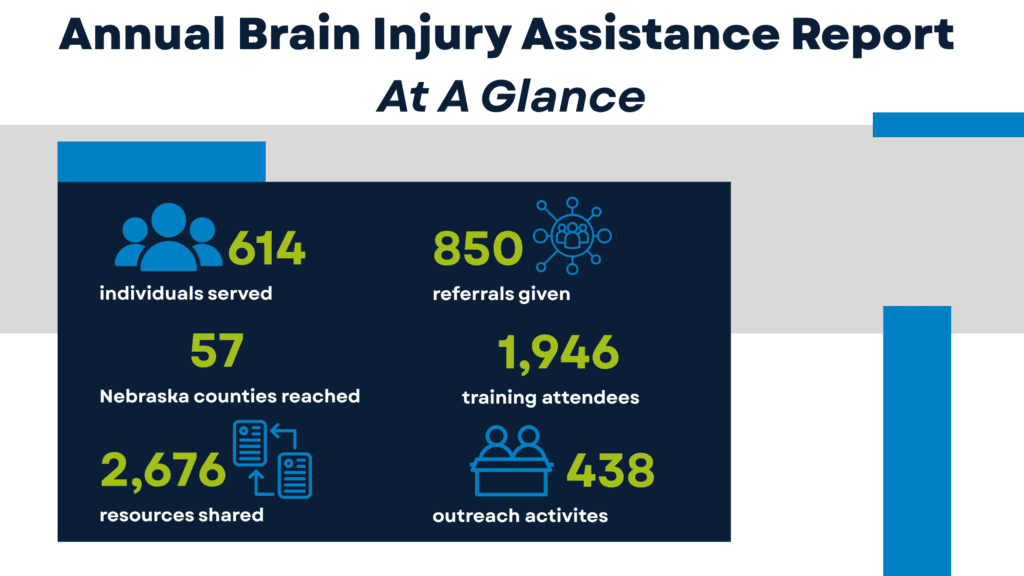
During FY26, BIA-NE Resource Facilitators served 614 individuals across 711 cases, reaching people in 57 of Nebraska’s 93 counties. Facilitators shared 2,676 resources and made 850 referrals to 330 organizations.
People came to BIA-NE with a wide range of needs. Understanding brain injury was the most commonly documented need, followed by financial, medical, cognitive and psychological, housing, and social and emotional needs.
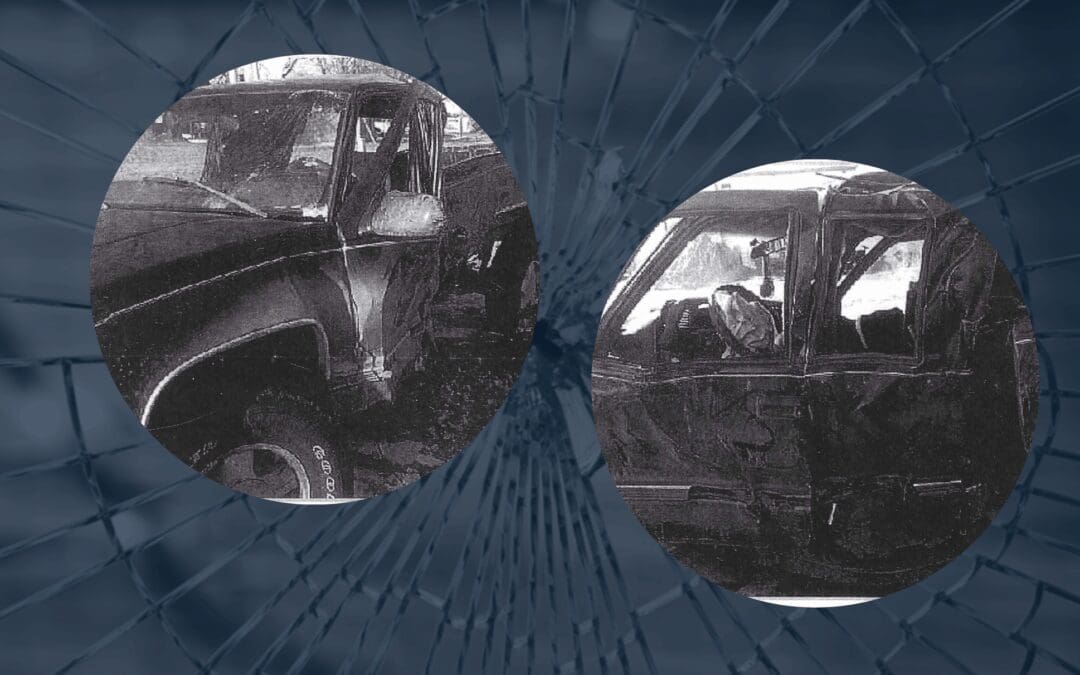
The circumstances behind those brain injuries varied, too. Among 662 documented brain injuries, motor vehicle crashes were the most commonly recorded cause, followed by assault and falls.
Brain Injury Can Affect The Ability To Work
The report also provides a look at the employment challenges facing many of the people BIA-NE serves.
Among clients who began Resource Facilitation during the fiscal year and had employment data available, 55% were not working. Of those clients, 56% reported being unable to work because of brain injury symptoms. The report notes that this may include challenges such as noise or light sensitivity or difficulty obtaining needed accommodations.
This is one reason Resource Facilitation looks beyond a single diagnosis or referral. Employment, finances, healthcare, housing and other needs can overlap, requiring individualized support based on what each person is experiencing.
Building A Stronger Referral Network
People also find BIA-NE through organizations already serving their communities. During FY26, 72 individuals were referred to BIA-NE by 60 unique organizations. Domestic violence shelters were the most common referral source, reflecting in part BIA-NE’s participation in a National Institutes of Health-funded project with the University of Nebraska Medical Center.
Resource Facilitators also connected clients outward to other services. During the year, clients received 850 referrals to 330 organizations, including rehabilitation, legal, vocational and community-based services.
Helping Professionals Better Understand Brain Injury
Supporting individuals is only part of the work. BIA-NE also provides education to the professionals and organizations that interact with people who may have experienced brain injury.
During FY26, BIA-NE provided 53 Brain Injury 101 trainings and presentations to 1,946 attendees. While most trainings were online, in-person education reached 11 Nebraska counties. About half of evaluation respondents had never previously participated in brain injury training.
And the training made a measurable difference: about 80% of respondents reported increased knowledge about brain injury.
The most valuable part of the presentation was the screening tools shared and the different accidents that can cause a TBI.
Taking Brain Injury Awareness Across Nebraska
BIA-NE participated in 438 community outreach activities during FY26, including community and coalition meetings, trainings, support groups, workshops and referral-source building. Activities took place in 20 Nebraska counties, while half were held online, allowing people to participate regardless of location.
A major part of that outreach is building a network that extends beyond BIA-NE. Staff met with 81 organizations to strengthen referral relationships, and 72% of those referral-source-building activities were initial meetings. These connections help other organizations recognize brain injury, refer people to BIA-NE and become resources BIA-NE can turn to when clients need additional services.
Finding Brain Injuries That May Have Gone Unrecognized
BIA-NE also supports research and screening efforts designed to better understand brain injury in Nebraska.
Through collaboration with the University of Nebraska-Lincoln and other partners, BIA-NE used the Online Brain Injury Screening and Support System (OBISSS) to help identify possible brain injuries, including among people involved in the justice system.
Of the 170 people who completed an OBISSS screening, 84% screened as having a possible or probable brain injury. The findings underscore the potential value of screening among populations where brain injuries may otherwise go unrecognized.
Improving Support Through Peer Mentorship And Juvenile Justice
FY26 also included work to improve how BIA-NE and its partners support people affected by brain injury.
With support from Nebraska Vocational Rehabilitation, BIA-NE enhanced its Peer Mentorship Program, using participant feedback to update materials, develop mentor and mentee readiness tools and streamline the application process. By the end of the grant, seven existing mentors had been grandfathered into the program, nine people had participated in orientation and 12 more were scheduling orientation.
Another project brought brain injury screening and education directly into three Nebraska juvenile justice centers. Among 318 youth screened, 84% screened as having a possible brain injury, and 79% reported they had not previously been screened for TBI. About 80% of participating staff and partners reported increased knowledge of brain injury, while 80% of surveyed staff felt youth should continue to be screened at their center.
Listening To The People We Serve
Evaluation is also an important part of understanding what is working and where BIA-NE can improve.
More than 80% of respondents agreed with seven statements about the services they received, including that staff helped them understand next steps, provided helpful information and explained things in a way they could understand. Among respondents, 92% said the amount of communication they received from BIA-NE was “about right.”
And when asked how likely they were to recommend BIA-NE to others, 81% selected 5 out of 5, with an average rating of 4.6 out of 5.
One client described their experience this way:
“The check-ins are well timed. When information is provided, it is precise and generous. I feel remembered but not overwhelmed.”
Client feedback also helps identify where services can improve. Some respondents shared areas where additional guidance or a different approach may have been helpful, providing valuable insight as BIA-NE continues to evaluate and strengthen its services.
“I was given so much information, probably too much at one time honestly. I get overwhelmed easily, put something in the corner and then I forget about it. It might have been helpful to prioritize it with me and set the goals and tasks for me to do to reach them. … I appreciate what BIA stands for & all the resources they provide! Accepting where I am in life now after having multiple head trauma was a huge win for me. Thank you for all that your staff does, I truly appreciate your services!”
Continuing The Work
The numbers tell part of the story: hundreds of people served, thousands of resources shared, nearly 2,000 training participants and hundreds of outreach activities.
Together, they also show the broader approach behind Nebraska’s Brain Injury Assistance Act: supporting people who need help now while building greater understanding, stronger referral networks and better systems for identifying and responding to brain injury across Nebraska.
The Brain Injury Association of Nebraska not only offers information and referral, but case management to find the resources and make positive changes to live a more fulfilling future with better coping strategies as well as memory aids on board. If you or someone you know has lasting effects from a brain injury, please contact us and allow us to offer our services, to find a new normal on this journey where ‘once you’ve seen a brain injury, you’ve seen one brain injury.
Need Brain Injury Support In Nebraska?
Whether you’re living with a brain injury, suspect you may have experienced one, are supporting a family member, or work with someone who may be affected, BIA-NE can help you determine where to start.
Connect With A Resource Facilitator | Find A Support Group
Use The Brain Injury Screening Tool | Contact BIA-NE
Brain injury can change a life. Finding help shouldn’t require navigating the system alone.







0 Comments