The Brain Injury Association of Nebraska (BIA-NE) and its partners are working to change how Nebraska’s juvenile justice system identifies and responds to youth with brain injury through Breaking the Cycle: Brain Injury Screening and Support for Youth in the Justice System, a collaborative project supported by the Sherwood Foundation.
The project uses the Online Brain Injury Screening and Support System (OBISSS) to identify youth with possible brain injury and better understand how those injuries may contribute to challenges with attention, memory, processing speed, impulse control, emotional regulation, communication, and other areas that can affect a young person’s success within the justice system.
The results demonstrate the importance of this work. From January 2025 through May 2026, 318 Nebraska youth were screened, and 84% met the OBISSS criteria for a positive screen. In addition, 79% of youth reported experiencing multiple or repeated blows to the head. Among youth with brain injury, common areas of concern included attention, physical symptoms, emotional regulation, processing speed, memory, impulsivity, communication, organization, and problem solving.
But identifying brain injury is only the first step. The larger goal is systems change. BIA-NE is working alongside juvenile justice staff, judges, attorneys, researchers, clinicians, and other community partners to help professionals look beyond a young person’s behavior and consider what may be contributing to it.
Youth identified through the project can be connected with additional cognitive screening, individualized recommendations and strategies, brain injury education, Resource Facilitation, and other supports for youth and their families. Early cognitive screening results have reinforced the need for an individualized approach: among the first 11 youth evaluated, no two cognitive profiles were identical.
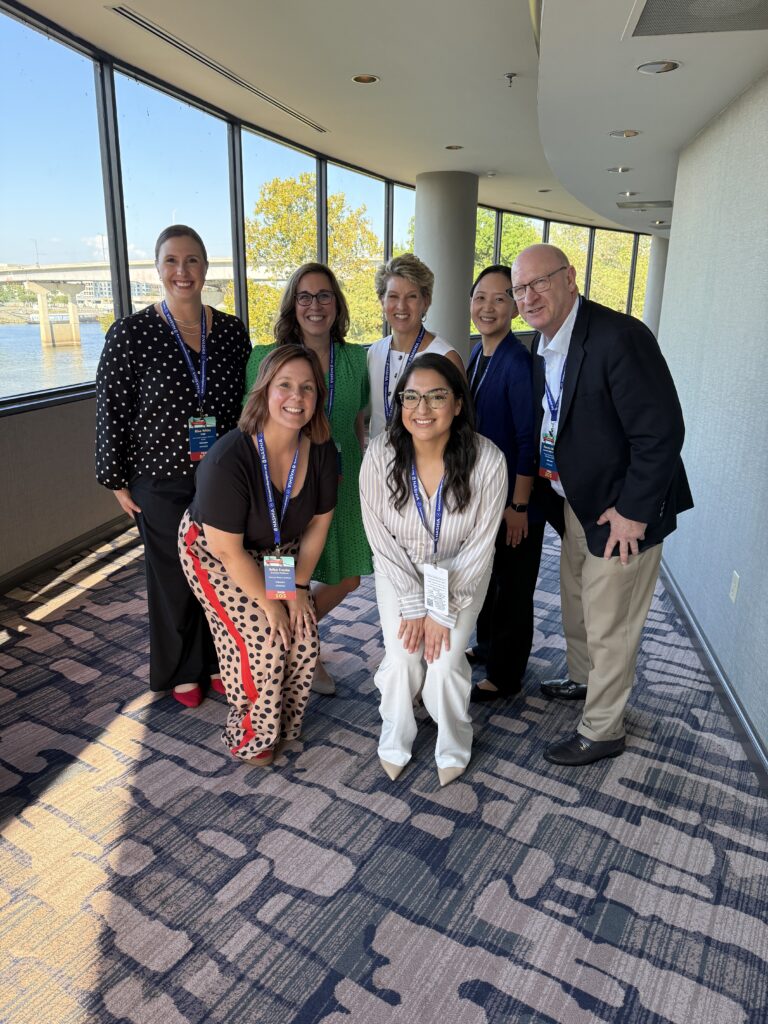
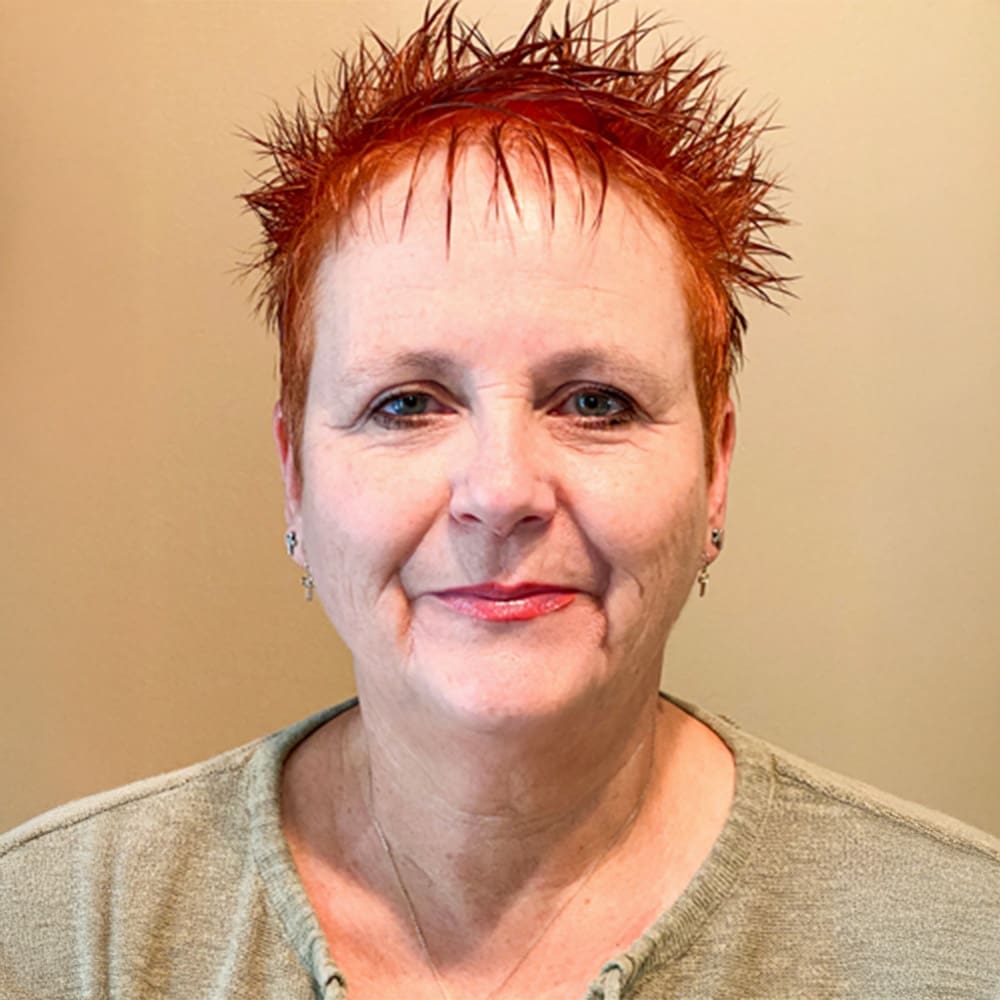
Front row left to right – Dr. Erika Franta, Dr. Abril Rangel-Pacheco,
Back row left to right- Judge Elise White, Judge Sarah Moore, Peggy Reisher, Dr. Kathy Chiou, Dennis Marks J.D.
Nebraska Helping Lead The Way
Members of the Nebraska team recently presented the project at the 2026 State of the States Conference in Little Rock, Arkansas, sharing both what Nebraska is learning and how those lessons are being translated into practice.
Through this initiative, Nebraska is working toward a juvenile justice system that better recognizes brain injury, understands its potential impact on behavior and learning, and responds with strategies and supports that give youth a better opportunity to succeed.
The Brain Injury Association of Nebraska not only offers information and referral, but case management to find the resources and make positive changes to live a more fulfilling future with better coping strategies as well as memory aids on board. If you or someone you know has lasting effects from a brain injury, please contact us and allow us to offer our services, to find a new normal on this journey where ‘once you’ve seen a brain injury, you’ve seen one brain injury.
Consultations for Juvenile Justice Teams
Brain injury can affect behavior, participation, emotional regulation, memory, and follow-through—skills that are essential for success in juvenile justice settings. Our no-cost consultation is an opportunity to explore how brain injury-informed practices may strengthen the work your team is already doing.
During this conversation, we’ll learn about your setting, discuss the challenges your team is seeing, and explore whether brain injury-informed training, consultation, or screening support may be a good fit. There is no obligation—just a practical conversation about supporting better outcomes for youth.











0 Comments