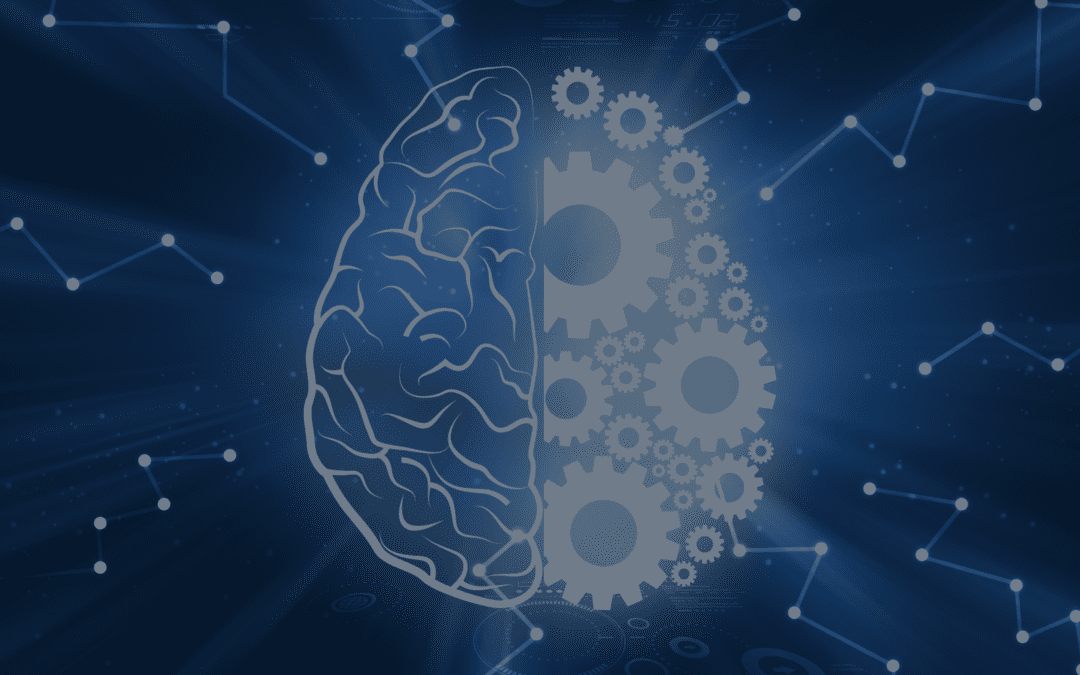
Right now, across Nebraska, brain injury is being missed. Not in big, obvious ways. In small, everyday moments when something just doesn’t quite make sense.
Not because people don’t care. But because they don’t always know what to look for.
A student struggles in school and gets labeled as “not trying.” A young person reacts impulsively and gets written up again. An adult can’t seem to “get back to normal” – and starts to wonder if they ever will.
Too often, these are seen as behavior problems, attitude issues, or personal failings.
But sometimes, the real answer is brain injury.
And when that goes unrecognized, everything that follows can go off track.
What Happens When Brain Injury Is Missed?
When brain injury isn’t identified:
- People don’t get the right support
- Behavior is misunderstood and mismanaged
- Systems respond in ways that can make things worse
- Families are left trying to figure it out on their own
This isn’t rare.
It’s happening every day – and most of the time, no one realizes what they’re actually looking at.
What Happens When Brain Injury Is Recognized?
Everything changes.
Not instantly. Not perfectly. But in ways that actually move things forward.
When brain injury is identified:
- Support becomes more targeted and effective
- Expectations shift to match ability and need
- People are met with understanding instead of frustration
- Outcomes improve—for individuals, families, and systems
Recognition is the turning point.
And that’s exactly what we’re working to build.
Building A Better System For Nebraska
At the Brain Injury Association of Nebraska, we are working to ensure that brain injury is recognized—not missed.
That means:
- Training professionals across systems to recognize the signs
- Providing screening and support pathways
- Connecting individuals and families to real help
- Advocating for changes that make systems more responsive and effective
This is how we move from misunderstanding to support. And for a lot of people, that shift changes everything.
Why This Work Needs Long-Term Support
Changing systems does not happen overnight.
It takes time.
It takes consistency.
And it takes people who believe this work is worth sustaining.
That’s where legacy giving becomes more than a nice idea – it becomes part of the solution.
When you include BIA-NE in your estate plans, you are helping ensure that this progress continues – expanding, deepening, and reaching more people over time.
Your Role In What Comes Next
You don’t have to be on the front lines to make a difference.
But you can decide whether this work keeps moving forward.
A legacy gift helps:
- Expand training and education efforts
- Reach more communities across Nebraska
- Strengthen support systems for individuals and families
- Ensure this work continues for future generations
It’s a quiet kind of impact. But a powerful one.
Be Part Of A Future That Gets It Right
Imagine a Nebraska where:
- Brain injury is recognized early
- Families know where to turn
- Professionals understand what they’re seeing
- Systems respond with support instead of confusion
That future is possible. And in some places, we’re already starting to see it.
Let’s Talk About How You Can Be Part Of It
If this work matters to you – even a little – it’s worth a conversation.
Peggy Reisher, Executive Director of the Brain Injury Association of Nebraska, is always available to start that conversation.
No pressure. Just a chance to explore what’s possible and what feels right for you.
You Can Help Make Sure Brain Injury Is Recognized – Not Missed
Your legacy can help change the way Nebraska understands and responds to brain injury.
Not just today.
But for years to come.
And that kind of impact?
It doesn’t just last – it keeps showing up for the people who need it.
Learn More About BIA-NE’s Legacy Giving Options
For more details on ways to give, how legacy gifts make an impact, and how to get started: Visit Our Legacy Giving Page
The Brain Injury Association of Nebraska not only offers information and referral, but case management to find the resources and make positive changes to live a more fulfilling future with better coping strategies as well as memory aids on board. If you or someone you know has lasting effects from a brain injury, please contact us and allow us to offer our services, to find a new normal on this journey where ‘once you’ve seen a brain injury, you’ve seen one brain injury.








0 Comments